Buy img24.eu ?
We are moving the project
img24.eu .
Are you interested in purchasing the domain
img24.eu ?
domain@kv-gmbh.de · 0541-91531010
Buy img24.eu ?
What does plasticity mean?
Plasticity refers to the brain's ability to change and adapt in response to new experiences, learning, or injury. It is the brain's capacity to reorganize its structure, function, and connections in order to optimize performance and recover from damage. Plasticity allows the brain to form new neural pathways, strengthen existing connections, and even compensate for lost functions. This ability is crucial for learning, memory, and recovery from brain injuries. **
What does plasticity mean in architecture?
Plasticity in architecture refers to the ability of a material or structure to be molded, shaped, or manipulated in various ways to create different forms and designs. It allows architects to experiment with different shapes, textures, and configurations, leading to innovative and dynamic architectural solutions. Plasticity in architecture also enables buildings to adapt to different functions, environments, and user needs, making them more versatile and responsive. **


Similar search terms for Plasticity
Top-Angebote
Products related to Plasticity:
-
Hama TAR Duo Camera Tripod with Ball Head - BlackThe ball head with panorama function allows perfect alignment for shots in portrait and landscape formatQuick-release plate for quickly changing the cameraInverted position allows macrophotographs near the groundIn combination with a leg segment the removable central column can be used as a fully functioning monopodCamera tripod for blur-free photos and stability on uneven terrain, suitable for photo and video camerasLightweight and sturdy aluminium constructionFunctional quick-action leg locks for fast and simple locking of the leg length in any positionWith rubber feet for secure standCompact pack size of 45 cm thanks to foldable tripod legsSpirit level integrated into the tripod head87,49 £*Shipping: 0,00 £Secure redirect to the provider
-
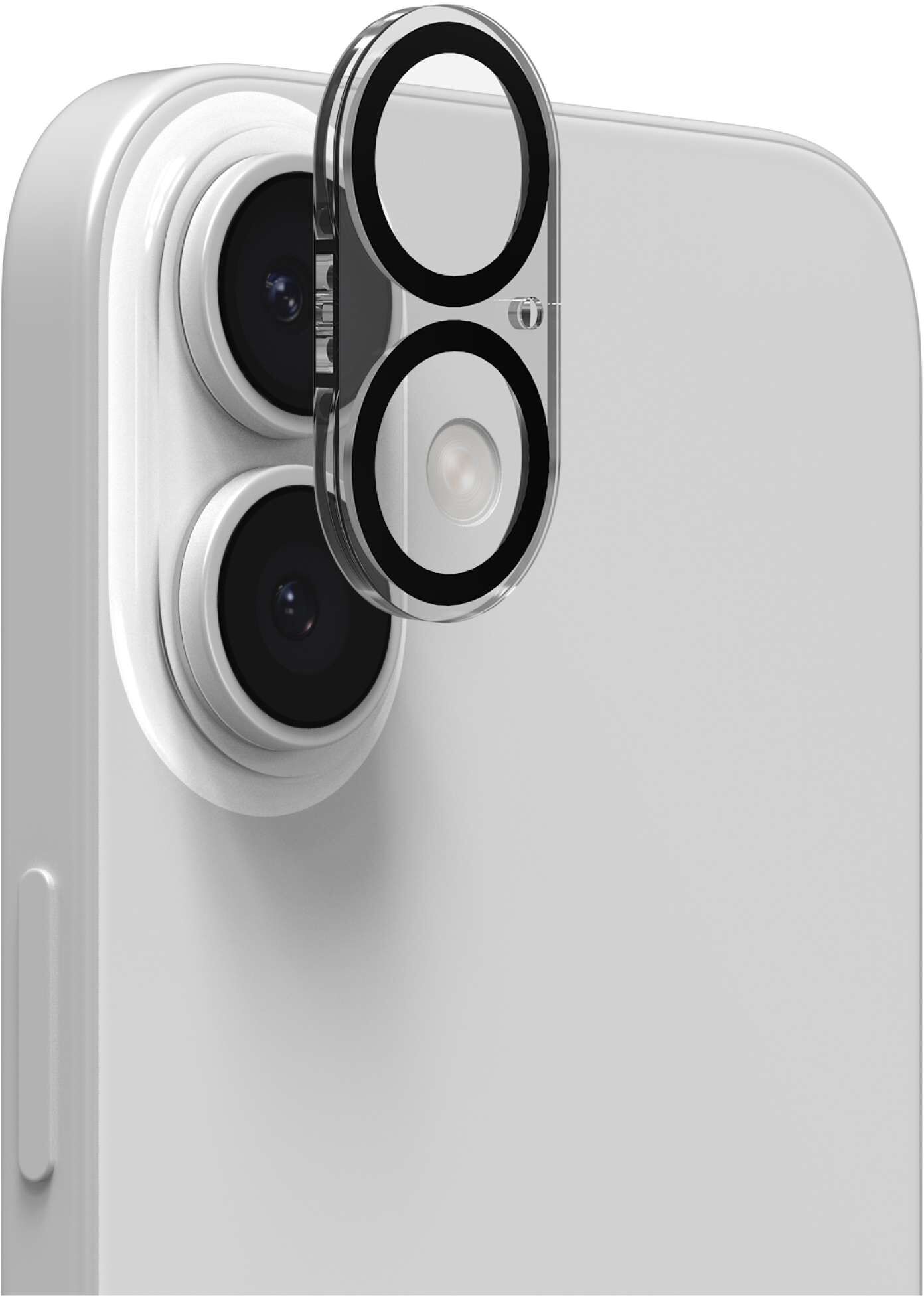
Gadcet UK Back Camera Lens Protector for Apple iPhone, iPhone 16Overview Elevate your mobile photography with this Premium Camera Lens for iPhone , designed to expand your creative capabilities and capture stunning shots beyond the standard camera lens. Whether you’re shooting landscapes, macro details, or wide group photos, this professional-grade lens attaches easily to your iPhone and delivers crisp, high-quality results every time. Benefits This camera lens for iPhone boosts your photography potential by offering optical versatility that smartphones alone can’t achieve. Whether you’re expanding your field of view with a wide-angle lens, zooming in on tiny subjects with a macro lens, or getting creative with fisheye effects, you’ll see a dramatic improvement in image quality and creative possibilities. Easy to use and carry, it’s the perfect accessory for content creators, travellers, hobbyists and anyone looking to improve their mobile photography.10,00 £*Shipping: 0,00 £Secure redirect to the provider


-
What is painted with plasticity in art?
In art, plasticity refers to the quality of being able to be molded or shaped. When something is painted with plasticity in art, it means that the artist has used techniques to create a sense of three-dimensionality, depth, and form in their work. This can be achieved through the use of light and shadow, texture, and the manipulation of the medium to create a sense of volume and movement in the artwork. Essentially, painting with plasticity allows the artist to create a sense of physical presence and depth in their work. **
-
What is the spatial depth of plasticity?
The spatial depth of plasticity refers to the extent to which changes in the brain's structure and function occur as a result of learning or experience. It encompasses the range of brain regions and neural networks that are involved in the process of plasticity. This can include changes at the level of individual neurons, as well as larger-scale changes in connectivity and organization across different brain regions. The spatial depth of plasticity is important for understanding how the brain adapts to new information and experiences, and for developing interventions to promote healthy brain function. **
-
How can one represent plasticity without shimmering?
One way to represent plasticity without shimmering is to use matte finishes or textures that absorb light rather than reflect it. This can help create a more subtle and realistic representation of plasticity. Additionally, using soft and gradual transitions between colors or tones can help avoid the appearance of shimmering. Finally, paying attention to the lighting conditions and angles when capturing or rendering the plastic object can also help minimize shimmering and enhance the perception of plasticity. **
-
What is the difference between spatiality and plasticity?
Spatiality refers to the physical dimensions and arrangement of objects or spaces in a given area, while plasticity refers to the ability of something to be molded, shaped, or changed. Spatiality is concerned with the actual layout and organization of physical elements, such as the distance between objects or the arrangement of rooms in a building. On the other hand, plasticity is about the flexibility and adaptability of a material or structure to be altered or reformed. In essence, spatiality deals with the existing physical space, while plasticity deals with the potential for change within that space. **

What do plasticity, malleability, elasticity, ductility, and oxidation resistance mean in the material copper?
In the context of copper, plasticity refers to its ability to be easily molded or shaped without breaking. Malleability means that copper can be hammered or rolled into thin sheets without breaking. Elasticity refers to copper's ability to return to its original shape after being stretched or deformed. Ductility indicates that copper can be drawn into thin wires. Oxidation resistance means that copper is less likely to corrode or rust when exposed to oxygen in the air. **
Why should IQ not be changeable if neural plasticity changes myelination and synaptic structure?
IQ should not be changeable simply because neural plasticity changes myelination and synaptic structure. While neural plasticity allows the brain to adapt and reorganize itself in response to learning and experiences, it does not necessarily result in a change in overall intelligence. IQ is a measure of a person's cognitive abilities and is influenced by a combination of genetic and environmental factors, which may not be easily altered through changes in neural plasticity alone. Additionally, IQ is a complex trait that is influenced by multiple factors beyond just neural plasticity, such as genetics, upbringing, and education. **
Top-Angebote
Products related to Plasticity:
-
Fotodiox Pro Lens Mount Adapter Sony A Minolta AF Lens to Nikon Z CameraDescription Expand your Nikon Z camera lens options with the Fotodiox Pro Lens Mount Adapter, designed to connect Sony A-Mount and Minolta AF lenses to Nikon Z-mount mirrorless cameras. This precision-engineered adapter allows photographers to use a wider range of compatible lenses while maintaining a secure and stable connection. Built with durable materials and designed for accurate alignment, the adapter provides a reliable fit between the camera body and lens. It is ideal for photographers who own Sony A-Mount or Minolta AF lenses and want to explore creative possibilities with Nikon Z-series cameras. The compact design makes it easy to carry, while the simple mounting process allows quick lens changes without requiring permanent modifications to equipment.70,99 £*Shipping: 0,00 £Secure redirect to the provider
-
Hama Fancy 2in1 Mini Tripod for Mobile Phone & Camera (¼), Travel Tripod, 16cm, silverSummit assault, beach holiday or spontaneous city trip - capture your most precious moments with our mini tripod. The tripod is your reliable companion for every situation and is so handy that it fits in any bag.Camera tripod, including mobile phone holderFlexible tripod for mobile phone and camera: practical mobile phone holder for smartphone included, which makes it all the more faster to change to the mobile phone camera and back – universal tripod for all situations2in1 system2in1 system for smartphones, universal 1/4" threadCompact travel formatWith lightweight luggage: the small, stable travel tripod is always with you - with its small packed dimensions, it is the ideal tripod for on the goFlexible rubber feetFlexible rubber feet for an improved hold and a secure grip on uneven surfaces10,99 £*Shipping: 0,00 £Secure redirect to the provider
-
What does plasticity mean?
Plasticity refers to the brain's ability to change and adapt in response to new experiences, learning, or injury. It is the brain's capacity to reorganize its structure, function, and connections in order to optimize performance and recover from damage. Plasticity allows the brain to form new neural pathways, strengthen existing connections, and even compensate for lost functions. This ability is crucial for learning, memory, and recovery from brain injuries. **
-
What does plasticity mean in architecture?
Plasticity in architecture refers to the ability of a material or structure to be molded, shaped, or manipulated in various ways to create different forms and designs. It allows architects to experiment with different shapes, textures, and configurations, leading to innovative and dynamic architectural solutions. Plasticity in architecture also enables buildings to adapt to different functions, environments, and user needs, making them more versatile and responsive. **
-
What is painted with plasticity in art?
In art, plasticity refers to the quality of being able to be molded or shaped. When something is painted with plasticity in art, it means that the artist has used techniques to create a sense of three-dimensionality, depth, and form in their work. This can be achieved through the use of light and shadow, texture, and the manipulation of the medium to create a sense of volume and movement in the artwork. Essentially, painting with plasticity allows the artist to create a sense of physical presence and depth in their work. **
-
What is the spatial depth of plasticity?
The spatial depth of plasticity refers to the extent to which changes in the brain's structure and function occur as a result of learning or experience. It encompasses the range of brain regions and neural networks that are involved in the process of plasticity. This can include changes at the level of individual neurons, as well as larger-scale changes in connectivity and organization across different brain regions. The spatial depth of plasticity is important for understanding how the brain adapts to new information and experiences, and for developing interventions to promote healthy brain function. **
Similar search terms for Plasticity
-
Hama TAR Duo Camera Tripod with Ball Head - BlackThe ball head with panorama function allows perfect alignment for shots in portrait and landscape formatQuick-release plate for quickly changing the cameraInverted position allows macrophotographs near the groundIn combination with a leg segment the removable central column can be used as a fully functioning monopodCamera tripod for blur-free photos and stability on uneven terrain, suitable for photo and video camerasLightweight and sturdy aluminium constructionFunctional quick-action leg locks for fast and simple locking of the leg length in any positionWith rubber feet for secure standCompact pack size of 45 cm thanks to foldable tripod legsSpirit level integrated into the tripod head87,49 £*Shipping: 0,00 £Secure redirect to the provider
-
Gadcet UK Back Camera Lens Protector for Apple iPhone, iPhone 16Overview Elevate your mobile photography with this Premium Camera Lens for iPhone , designed to expand your creative capabilities and capture stunning shots beyond the standard camera lens. Whether you’re shooting landscapes, macro details, or wide group photos, this professional-grade lens attaches easily to your iPhone and delivers crisp, high-quality results every time. Benefits This camera lens for iPhone boosts your photography potential by offering optical versatility that smartphones alone can’t achieve. Whether you’re expanding your field of view with a wide-angle lens, zooming in on tiny subjects with a macro lens, or getting creative with fisheye effects, you’ll see a dramatic improvement in image quality and creative possibilities. Easy to use and carry, it’s the perfect accessory for content creators, travellers, hobbyists and anyone looking to improve their mobile photography.10,00 £*Shipping: 0,00 £Secure redirect to the provider
-
Gadcet UK 360° iPhone Protection Bundle (Case, Screen & Camera Lens Protector)Keep your phone fully protected from every angle with our Full 360° Protection Bundle . Designed to safeguard your screen, camera, and body, this all-in-one bundle offers everyday protection against drops, scratches, and accidental damage — all in one convenient package. Perfect for customers who want complete peace of mind without buying accessories separately.45,00 £*Shipping: 0,00 £Secure redirect to the provider
-
Gadcet UK Back Camera Lens Protector for Apple iPhone, iPhone 15Overview Elevate your mobile photography with this Premium Camera Lens for iPhone , designed to expand your creative capabilities and capture stunning shots beyond the standard camera lens. Whether you’re shooting landscapes, macro details, or wide group photos, this professional-grade lens attaches easily to your iPhone and delivers crisp, high-quality results every time. Benefits This camera lens for iPhone boosts your photography potential by offering optical versatility that smartphones alone can’t achieve. Whether you’re expanding your field of view with a wide-angle lens, zooming in on tiny subjects with a macro lens, or getting creative with fisheye effects, you’ll see a dramatic improvement in image quality and creative possibilities. Easy to use and carry, it’s the perfect accessory for content creators, travellers, hobbyists and anyone looking to improve their mobile photography.10,00 £*Shipping: 0,00 £Secure redirect to the provider
-
How can one represent plasticity without shimmering?
One way to represent plasticity without shimmering is to use matte finishes or textures that absorb light rather than reflect it. This can help create a more subtle and realistic representation of plasticity. Additionally, using soft and gradual transitions between colors or tones can help avoid the appearance of shimmering. Finally, paying attention to the lighting conditions and angles when capturing or rendering the plastic object can also help minimize shimmering and enhance the perception of plasticity. **
-
What is the difference between spatiality and plasticity?
Spatiality refers to the physical dimensions and arrangement of objects or spaces in a given area, while plasticity refers to the ability of something to be molded, shaped, or changed. Spatiality is concerned with the actual layout and organization of physical elements, such as the distance between objects or the arrangement of rooms in a building. On the other hand, plasticity is about the flexibility and adaptability of a material or structure to be altered or reformed. In essence, spatiality deals with the existing physical space, while plasticity deals with the potential for change within that space. **
-
What do plasticity, malleability, elasticity, ductility, and oxidation resistance mean in the material copper?
In the context of copper, plasticity refers to its ability to be easily molded or shaped without breaking. Malleability means that copper can be hammered or rolled into thin sheets without breaking. Elasticity refers to copper's ability to return to its original shape after being stretched or deformed. Ductility indicates that copper can be drawn into thin wires. Oxidation resistance means that copper is less likely to corrode or rust when exposed to oxygen in the air. **
-
Why should IQ not be changeable if neural plasticity changes myelination and synaptic structure?
IQ should not be changeable simply because neural plasticity changes myelination and synaptic structure. While neural plasticity allows the brain to adapt and reorganize itself in response to learning and experiences, it does not necessarily result in a change in overall intelligence. IQ is a measure of a person's cognitive abilities and is influenced by a combination of genetic and environmental factors, which may not be easily altered through changes in neural plasticity alone. Additionally, IQ is a complex trait that is influenced by multiple factors beyond just neural plasticity, such as genetics, upbringing, and education. **
* All prices are inclusive of VAT and, if applicable, plus shipping costs. The offer information is based on the details provided by the respective shop and is updated through automated processes. Real-time updates do not occur, so deviations can occur in individual cases. ** Note: Parts of this content were created by AI.